Botox Treatment in India
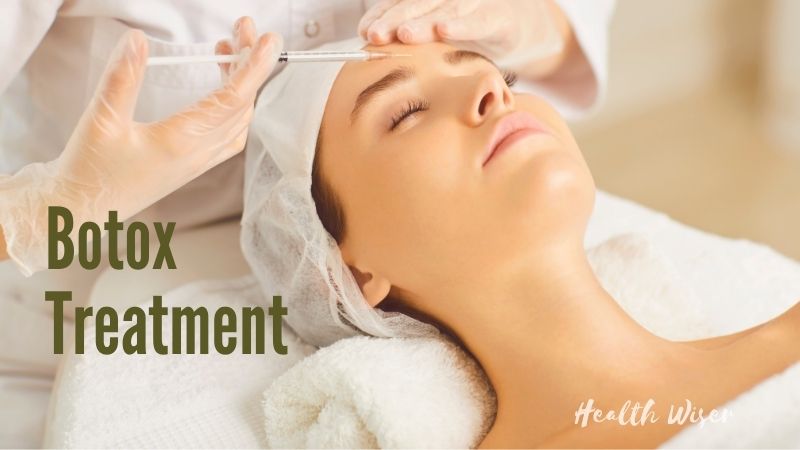
Botox is an injectable toxin that reduces facial lines and wrinkles. Cosmetic botulinum toxin treatment is used to soften lines on the face, and the same medicine is used to treat several medical conditions, by temporarily relaxing the muscles it is injected into. Botox has become popular very quickly. Whether it's to look fresher or to treat a medical problem, many people now consider it.
Botulinum toxin was first used as a medical treatment for eye muscle problems. In the early 1990s, doctors published studies showing that it could also smooth frown lines, and after that it began to be used for cosmetic treatment as well.
There are seven types of botulinum toxin, named A to G, but only types A and B are used regularly in medicine. "Botox" is actually the brand name of one type A product; other brands are also available in India.
Why is Botox used?
Botox has both medical and cosmetic uses. Its popularity has grown most in cosmetic dermatology, and more and more young adults are using it to soften fine lines or delay their development.
Cosmetic uses: many people want to enhance their features or look more rested. Botox is used mainly for frown lines between the eyebrows, forehead lines and crow's feet around the eyes.
Medical uses: Botox was used in medicine before it was used for cosmetic purposes, and it is approved for a number of conditions, from chronic migraine to excessive sweating. More on these below.
How does Botox work?
Botox works by blocking the signal from a nerve to a muscle. This happens in four stages:
- Binding: the toxin binds to specific receptors on the surface of the nerve endings.
- Internalisation: the nerve ending takes the toxin inside in a small bubble (vesicle).
- Translocation: part of the toxin, called the light chain, is released from the vesicle into the inside of the nerve ending.
- Blocking: the light chain of type A toxin splits a protein called SNAP-25, which the nerve needs to release the chemical messenger acetylcholine. Without acetylcholine, the muscle can't contract, so it relaxes.
The effect is temporary. Over a few months, the nerve endings recover, and the muscle starts moving again.
Does Botox make your face numb?
No. Botox relaxes the muscles that cause expression lines, and when the muscle relaxes, the line softens. It doesn't affect the nerves that carry feeling, so it won't make your face numb. If too much is injected, or it is injected in the wrong place, the face can look "frozen" or uneven for a while, which is why the skill of the person injecting matters so much.
Like any treatment, its effects vary from person to person. Some people get temporary side effects such as a drooping eyelid or eyebrow, a crooked smile or drooling, swelling or bruising at the injection sites, or dry or watery eyes.
It is highly recommended to do your research and see a qualified, reputed doctor before going for the treatment.
The Botox procedure
Like any injection, Botox can be slightly painful, especially in the middle of the forehead between the eyes, but most people find it tolerable. It is usually done without anaesthetic, though some clinics use numbing cream or ice, and it only takes a few minutes. The toxin is injected into specific muscles with a very fine needle.
- Before: tell your doctor about all the medicines you take. You may be asked to stop blood thinners, or anti-inflammatory painkillers such as aspirin and ibuprofen, for a while beforehand to reduce bruising. Never stop a prescribed medicine without your doctor's advice.
- After: don't rub or massage the treated area for about 24 hours, so the toxin doesn't spread to nearby muscles. Your doctor may also advise avoiding alcohol and strenuous exercise for a day.
- Results: the effect usually starts within a few days and is fully visible in about two weeks. It typically lasts about three to four months, after which you need another treatment to keep the effect.
Why has Botox become so popular?
Besides its role in medicine, Botox has become one of the most popular anti-ageing treatments in cosmetic dermatology. The US FDA approved it for frown lines in 2002, which marked the start of its wide use. It is popular because it is non-surgical, quick and involves little discomfort, and because it is not a big commitment: the effect wears off in a few months if you decide not to continue.
Is there an ideal age for Botox treatment?
Age plays a part in whether Botox is right for you. Women often notice more lines around menopause, as hormone levels drop, but men get expression lines too, and more men are now having the treatment.
In India there is no specific law setting a minimum age for cosmetic Botox, but most doctors won't do cosmetic treatment on patients under 18. Today, many people in their 20s and 30s use Botox as a "preventive" or rejuvenating treatment.
Benefits of Botox
Over the years, more and more uses of Botox have been found, in both medicine and cosmetic dermatology, and researchers continue to study new ones.
Medical uses
- Chronic migraine: Botox can reduce the number of headache days in people with chronic migraine.
- Blepharospasm: uncontrollable eye twitching or blinking can be treated by injecting Botox into the muscles around the eye.
- Overactive bladder: Botox injected into the bladder can reduce urgency and the number of trips to the toilet.
- Hyperhidrosis: severe sweating, for example of the underarms, even when it isn't hot.
- Strabismus (squint): Botox can help realign the eyes in some people with a squint.
- Cervical dystonia: a condition where the neck muscles contract involuntarily, causing painful neck and shoulder spasms.
- Sialorrhoea: chronic drooling, for example in people with some neurological conditions.
- Spasticity: muscle stiffness and spasms in the limbs, for example after a stroke or in multiple sclerosis (MS), can be reduced, which can improve movement.
Researchers are also studying Botox for other uses, such as reducing irregular heartbeat after heart surgery and improving the healing of some scars, but these are not standard treatments.
Cosmetic benefits
- Smoother skin: by relaxing the muscles that crease your skin, Botox softens lines such as frown lines, forehead lines and crow's feet.
- Not a big commitment: the treatment takes 15–20 minutes and you can usually get on with your day straight away.
- Visible results: results usually last around 3–4 months, after which you return for a follow-up treatment if you want to keep the effect.
Side effects of Botox
Botox is generally safe when it is given by a qualified, experienced doctor. Common side effects are mild and temporary:
- Pain, swelling or bruising at the injection sites
- Headache or flu-like symptoms
- A drooping eyelid or uneven eyebrows
- A crooked smile or drooling
- Dry or watery eyes
- A "frozen" look if too much is injected
- Rarely, allergic reactions, rash or itching
With repeated treatment over many years, the treated muscles can become thinner because they are used less.
Get medical help straight away if, in the hours to weeks after treatment, you notice muscle weakness away from the injection site, blurred or double vision, difficulty swallowing, speaking or breathing, or loss of bladder control. These can be signs that the toxin has spread, which is rare but serious. In India, call 108 or 112 in an emergency.
When should you avoid Botox?
- Neuromuscular conditions: avoid it if you have a condition such as myasthenia gravis, Lambert-Eaton syndrome or ALS, as Botox can make muscle weakness worse.
- Pregnancy and breastfeeding: cosmetic Botox isn't recommended if you are pregnant or breastfeeding, as its safety hasn't been established.
- Allergies: avoid it if you have ever reacted to a botulinum toxin product. Some brands contain other ingredients, such as a small amount of cow's milk protein, so tell your doctor about any allergies.
- Some medicines: certain antibiotics, especially aminoglycosides, and some other medicines can increase the effect of Botox. Tell your doctor about everything you take.
- Infection: don't have injections into skin that is infected or inflamed.
- Under 18: cosmetic Botox is generally not offered to people under 18.
Botox treatment in India
Everyone wants to look their best, and Botox is no longer just for Bollywood celebrities. It is available to anyone willing to pay for it, and as the number of trained dermatologists and plastic surgeons in India has grown, it has become a common treatment. Major cities like Bangalore, Delhi, Mumbai, Chennai and Kolkata have many reputed hospitals and clinics that offer it.
People who feel self-conscious about ageing skin often choose Botox, and younger people in India are following the trend too. A 2019 report in ThePrint quoted Delhi plastic surgeon Dr Charanjeet Sobti saying that the average age of his Botox patients had dropped from 45–50 to 35 or even less.
City guides: Botox treatment in Chennai · Botox treatment in Mumbai
How much does Botox cost in India?
Botox in India costs less than in countries like the UK and USA. As of 2021, one treatment typically cost about Rs. 14,000–20,000. The cost depends on how many areas are treated, since each area needs more units of the medicine. For example:
| Treatment area | Approx. cost per session (2021) |
|---|---|
| Upper face (forehead, frown lines, crow's feet) | Rs. 15,000–18,000 |
| Lip lines, brow lift or gummy smile | Around Rs. 10,000 |
| Jawline | Rs. 10,000–21,000 |
| Crow's feet only, or a drooping smile | Around Rs. 6,000 |
Prices vary between hospitals and clinics and have likely changed since 2021, so ask for a written quote that states the brand and number of units.
Alternatives to Botox
If you'd rather avoid injections, there are alternatives, such as anti-ageing creams with retinoids, sunscreen every day, chemical peels and other skin treatments. These generally take longer, often months, and need daily use, while Botox works within days but wears off in a few months.
Choosing a doctor
Be very careful when choosing a doctor for Botox. Consult an experienced, qualified dermatologist or plastic surgeon, and research them properly before you book.
- Check their qualifications (MD Dermatology or MCh Plastic Surgery) and registration with the medical council.
- Make sure their sense of aesthetics matches yours: ask to see before-and-after photos of their own patients.
- Ask which brand of toxin they use and how many units you'll need.
- Avoid unusually cheap offers, beauty salons or anyone who isn't a doctor. Poorly done Botox wastes money and time, and can be harmful.
Sources
- Mayo Clinic. Botox injections (uses, risks, who should avoid them, what to expect).
- Nigam PK, Nigam A. Botulinum toxin. Indian Journal of Dermatology. 2010. PMC2856357
- Botulinum toxin (Botox) A for reducing the appearance of facial wrinkles: a literature review of clinical use and pharmacological aspect. Clinical, Cosmetic and Investigational Dermatology. 2019. PMC6489637
- ThePrint. Indians in their 20s are getting Botox to look like Indians in their 20s.