10 Early Signs of Dementia
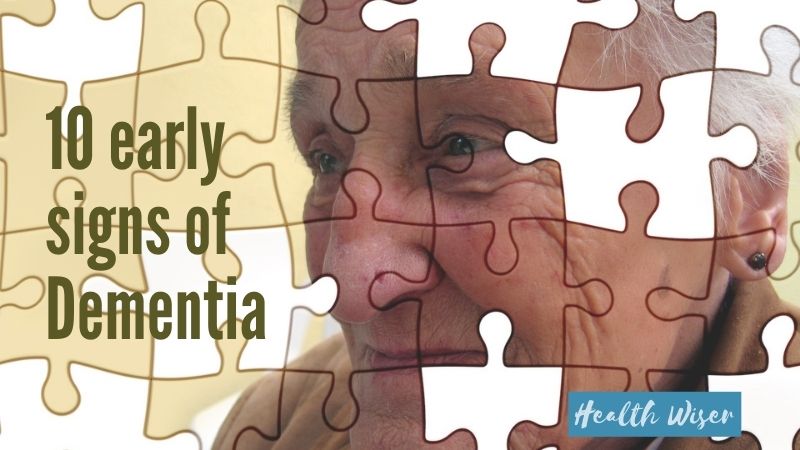
The term "dementia" covers a wide range of medical conditions that cause abnormal changes in the brain. The thinking abilities a person uses for everyday life, such as remembering, understanding, reasoning, planning and judging, are gradually affected. Dementia is caused by damage to brain cells. This damage interferes with how brain cells communicate with each other, which eventually affects the person's ability to live their normal life.
Different parts of the brain are responsible for different functions, and the type of dementia depends on which parts are damaged and why. Alzheimer's disease is the most common type, and the World Health Organization estimates it may contribute to 60–70% of cases. Other types include vascular dementia, Lewy body dementia, frontotemporal dementia and mixed dementia.
Dementia is much more common in people over 65, but it is not a normal or inevitable part of ageing, and it can also affect people in their 30s, 40s or 50s (called young-onset dementia). The early symptoms of dementia can be subtle, so it is important to recognise them and see a doctor.
The early signs of dementia
1. Memory loss
A person with early dementia may find it hard to recall information like dates, events and names. This short-term memory loss can be very subtle at first. Signs include struggling to find the right word, forgetting where things have been kept, finding it hard to express themselves in speech or writing, and not remembering what they were supposed to do or where they were supposed to be. Remember that occasional forgetfulness on its own is not necessarily a sign of dementia; it can simply be a normal part of ageing. What matters is memory loss that is getting worse and affecting daily life.
2. Confusion
Confusion is closely linked to memory loss and can show up in many ways: not being able to find the right word or the right action, or being confused about the time, the date or where they are, even in familiar places.
3. Losing interest in socialising
They may withdraw from conversations and social situations, seem emotionally flat (apathy), and show little interest in talking to friends or family. They may also lose interest in hobbies they used to enjoy.
4. Poorer judgement and decision-making
The ability to think things through, weigh up options and make decisions is weakened. Everyday decisions, like managing money or planning a meal, become harder and slower.
5. Mood swings and personality changes
A person with dementia may go through a roller-coaster of emotions, such as happiness, anger, irritation or sadness. Depression and anxiety are common in early dementia. Apart from mood swings, there may be a noticeable change in their personality.
6. Seeing or believing things that aren't real
Some people develop hallucinations (seeing or hearing things that aren't there) or delusions (firmly believing things that aren't true), and may at times lose touch with reality. This can happen in several types of dementia and is a particularly common early sign in Lewy body dementia.
7. Repeating themselves
Repetition is a direct result of memory loss. People with dementia may ask the same question or tell the same story over and over again, or repeat the same task.
8. Trouble concentrating
A person with dementia may find it hard to concentrate on day-to-day activities. As a result, they may take much longer than before to finish simple, familiar tasks.
9. Difficulty with space and visual information
They may have trouble judging distances, shapes, movement or position, for example misjudging steps, having trouble parking, or finding it hard to read or recognise objects.
10. Struggling with change
Because they are becoming forgetful, people with early dementia often become afraid of anything new or outside the routine they know and feel safe with. A strong need for routine, and getting upset when it changes, can be an early sign.
When to see a doctor
If you notice several of these signs in yourself or a family member, and they are getting worse over time, see a doctor. Many other treatable problems, such as thyroid disease, vitamin B12 deficiency, depression, infections or medicine side effects, can cause similar symptoms, so a proper check-up is important.
Early diagnosis helps. A family doctor can refer you to a neurologist, psychiatrist or a memory clinic; many large hospitals in Indian cities have one. Doctors may use a physical examination, blood tests, memory and thinking (cognitive) tests, brain scans and a psychiatric assessment to find the cause and plan care.
In India, the Alzheimer's and Related Disorders Society of India (ARDSI) offers information and support for people with dementia and their families.
Living with dementia: care matters
A diagnosis of dementia often brings fear, grief and a sense of loss, for the person and their family. There is no cure for most types of dementia, but medicines can help with some symptoms, and a lot can be done to help people live well for as long as possible.
Staying in close touch with a person who has dementia matters a great deal. Personal care, patience, emotional support, and including them in activities and conversations can make a real difference to their quality of life. A disease like this can take away a person's most precious gift, their memory. As the saying goes, the best medicine is love, affection and care.
Medicine treats the disease; care helps the person.
Sources
- World Health Organization. Dementia fact sheet.
- NHS. Symptoms of dementia.
- Alzheimer's Association. 10 early signs and symptoms of Alzheimer's and dementia.