Shikakai – Benefits and How to Use
Commonly used herbs such as shikakai (Acacia concinna) are considered among the best for hair and skin. Shikakai has been used to keep hair black, silky and thick since our grandmothers' days. In the market, shikakai is found in many forms: shikakai soap, shikakai oil, shikakai shampoo and shikakai powder. It has even been used for washing clothes. Let's look at the benefits of shikakai.
What is shikakai?
In Ayurveda, the shikakai tree is a herb that is used not only for hair and skin but also as a traditional remedy for many ailments. According to Ayurveda, shikakai is bitter and cold in nature, reduces kapha (phlegm) and pitta (bile), and is said to help with joint pain, support the heart and increase appetite.
Traditional Ayurvedic texts also describe the leaves and fruit of shikakai being used for skin diseases, stomach problems, piles, worms and itching. Classical texts such as the Sushruta Samhita and Yogaratnakara even mention its fruit in remedies for snake bite.
Please note: these are traditional uses described in Ayurvedic texts. They have not been proven in clinical studies. Never use shikakai, or any home remedy, to treat a snake bite, jaundice, liver disease, infection or a serious wound. Get medical help straight away (in India, call 108 or 112).
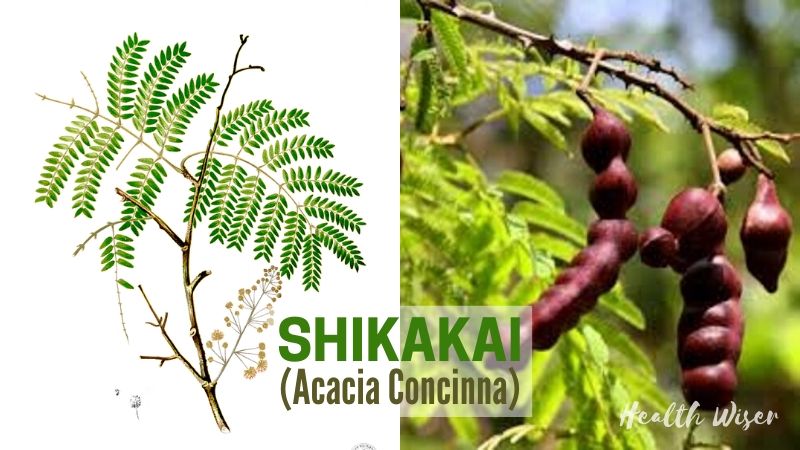
Shikakai is a fast-growing, thorny climbing shrub. Its pod is fleshy, strap-shaped and straight, about 7.5–10cm long and 1.8cm wide. It is green when raw and wrinkled when dry, and contains 6–10 seeds.
Name of shikakai in different languages
The botanical name of shikakai is Acacia concinna (also listed as Senegalia rugata). It belongs to the Mimosaceae (now Fabaceae) family. In English, shikakai is called "soap pod". It is known by different names in different parts of India.
What is shikakai called in other languages?
| Language | Name |
|---|---|
| Sanskrit | Saptala, Keshya, Charmakasha |
| Hindi | Shikakai, Kochi |
| Odia | Vimala |
| Urdu | Shikakai |
| Konkani | Shikayi |
| Kannada | Seege, Sige |
| Gujarati | Chikakai, Shikakai |
| Tamil | Seeyakai (Chikkai) |
| Telugu | Cheekaya, Sikaya |
| Bengali | Banritha |
| Nepali | Sikakai, Araare |
| Marathi | Shikekai |
| Malayalam | Cheeyakayi, Shikai, Chinikka |
| Arabic | Shekakai |
Benefits and uses of shikakai for hair
Shikakai pods contain natural saponins, which foam gently in water. That is why it has been used as a mild, natural cleanser for hair and scalp for centuries.
Shikakai for clean, shiny hair
Hair often loses its shine due to pollution and dirt. Washing hair with a decoction (a boiled extract) of shikakai pods cleans it gently. Shikakai is also mildly astringent, and helps remove dirt and sweat from the hair, which can make it look shinier. Ready-made shikakai shampoos are also available in the market.
Shikakai for dandruff
In Ayurveda, dandruff is linked to an imbalance of vata and kapha, which makes the scalp either oily or too dry. Shikakai is traditionally used for oily scalps, and washing the hair with a decoction of its pods is a traditional remedy for dandruff. If dandruff is severe, itchy or doesn't improve, see a dermatologist, as it can be a sign of a skin condition such as seborrhoeic dermatitis.
Shikakai for strong hair
Shikakai cleans the hair and scalp without stripping too much of the natural oil, which is why it is traditionally believed to strengthen hair from the roots.
Shikakai and hair fall
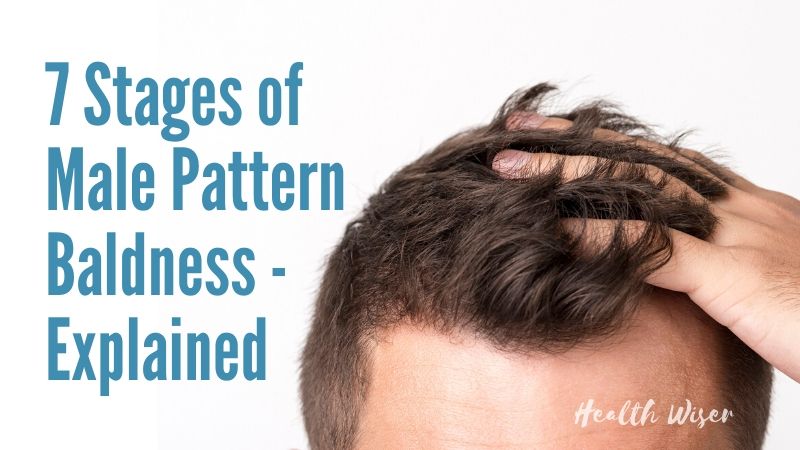
In Ayurveda, hair fall is sometimes linked to an increase in pitta dosha. Because shikakai is considered cooling and astringent, it is traditionally used to reduce hair fall. There isn't good clinical evidence that shikakai stops hair loss, though. If you are losing a lot of hair, read about the stages of male pattern baldness and talk to a dermatologist.
Other traditional uses of shikakai
These uses come from Ayurvedic tradition. Please don't try them without advice from a qualified doctor or Ayurvedic practitioner.
- Wounds and swelling: shikakai is traditionally applied for its "cooling" effect on minor swelling or irritation.
- Cough and phlegm: a decoction of the pods is a traditional remedy for cough.
- Flatulence: a warm paste of ground leaves is traditionally applied on the stomach for gas.
- Jaundice and liver problems: decoctions of the pods and leaves are mentioned in traditional texts. Jaundice always needs a proper medical diagnosis; see a doctor.
- Skin problems: ground shikakai fruit is traditionally applied on the skin.
Useful parts of shikakai
The fruit (pods) and leaves of shikakai are used in Ayurveda.
Where is shikakai found or grown?
Shikakai grows in the tropical forests of India, especially in central and southern India, and in the eastern Himalayan region.
How to use shikakai on your hair
If you want to use shikakai for any condition other than washing your hair, please consult an Ayurvedic doctor first. Do a patch test on your skin before using it the first time, and keep it away from your eyes, as it stings.
How to make shikakai shampoo
You need:
- 2–3 spoons of shikakai powder
- 2–3 tablespoons of water
Add water to the powder until it forms a runny mixture. This mixture is your shikakai hair wash. Leave it at room temperature overnight to get the best consistency. The next morning, apply the mixture to the roots of your hair with your fingertips. Leave it on for 15 minutes and wash it off with normal water. If some of it stays in your hair, you can remove it with a little coconut oil.
How to apply amla, reetha and shikakai to hair
Mix amla, reetha and shikakai powder in water, and make it as thick as you need. Leave the mixture at room temperature overnight to get the best consistency. The next morning, apply it to the roots of your hair with your fingertips. Leave it on for 15 minutes and wash it off with normal water. If some of it remains in your hair, remove it with a little coconut oil.